
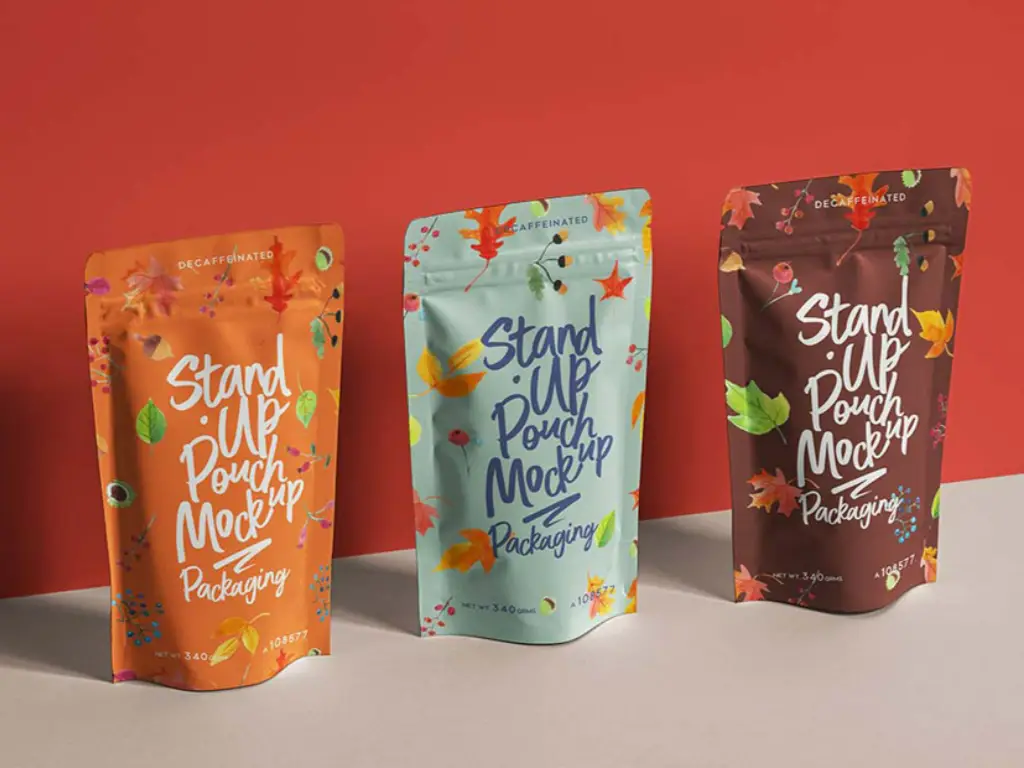
Packaging can be more than just containers for food manufacturers. It serves for the protection of their product, the efficiency of their supply chain, and the communication of their brand. No other form of marketing will ever have a complete reach to their target customers like packaging will.
The food packaging industry is vast and complicated. Food manufacturing companies need to have a complete understanding of their industry options when dealing with trade-offs amongst packaging material costs, barrier properties, and sustainability. Bad choices can impact shelf life, breakage during transport, and profit margins.
This guide will provide a more in-depth analysis of the different types of food packaging. For dry foods, snacks, and pet food nutrition, we will go beyond rigid vs flexible packaging definitions and provide insights into the market, strategic implications, and flexible decision frameworks for food manufacturers seeking the right food packaging. We will explore how different materials affect the shelf life of food and overall food quality.
Understanding Packaging Levels: Primary, Secondary, and Tertiary
Before a selection of materials can begin, the packaging hierarchy needs to be defined. A food product will always travel through the supply chain in three different protective layers. Each of these layers serves a different purpose and is designed for a different stakeholder, be it the logistics manager, end consumer, or other.
Although this guide is mainly about Primary Packaging, it is necessary to know how these levels interconnect in order to make accurate total logistics cost calculations.
| Level | Definition | Function | Examples |
| Primary Packaging | The layer of direct food contact. | Protection (Barrier), Containment, Communication. | Stand-up pouches, soda drink cans, glass jars, candy wrappers, plastic containers. |
| Secondary Packaging | The layer that groups primary packages together. | Stock Keeping Unit (SKU) management, Retail display. | Paperboard boxes (12-pack), shrink wrap bundles, shelf-ready display cartons, and cardboard packaging. |
| Tertiary Packaging | The layer used for bulk transport and warehousing. | Logistics efficiency, Pallet stability, Damage prevention. | Wooden pallets, stretch wrap, corrugated shipping containers. |
Core Material Categories: Rigid, Semi-Rigid, and Flexible
The choice of physical form and structure of packaging materials is the most fundamental decision in packaging engineering. This decision will influence the type of production line machinery you will need, the density of your supply chain, and how consumers will interact with your product.
The different materials used in packaging can be categorized into three main groups, with the market currently experiencing variations in the dominance of each group. Understanding these categories is essential when evaluating types of food packaging.
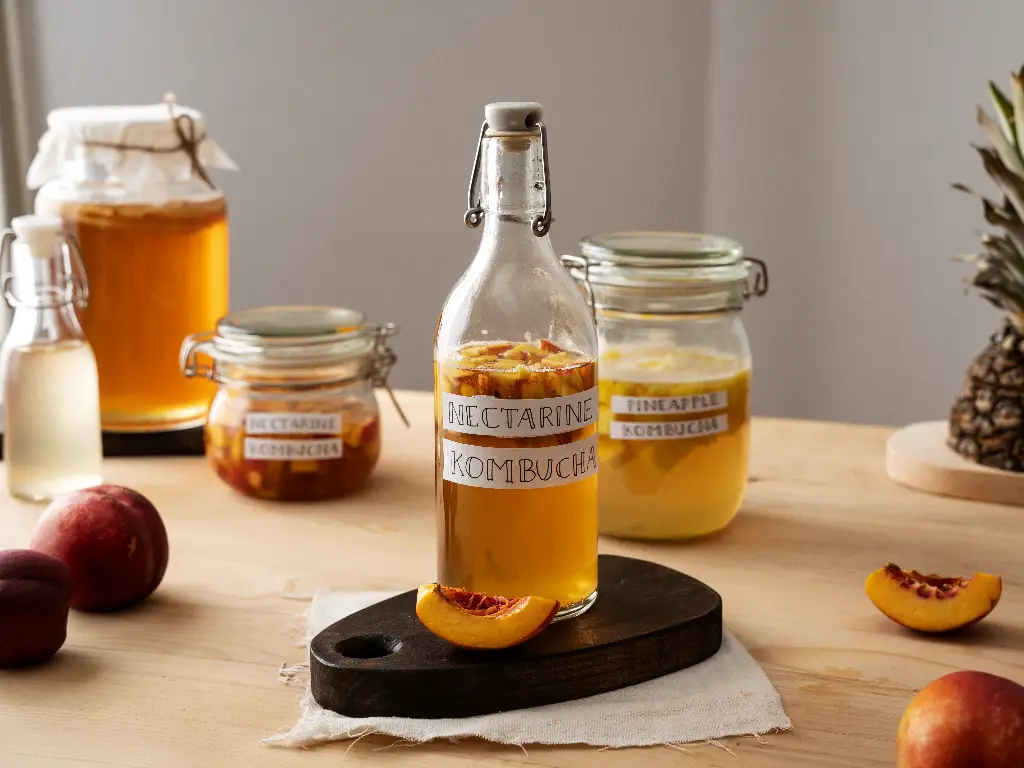
Rigid Solutions: Glass, Metal, and Hard Plastics
Rigid packaging is packaging that stays the same regardless of whether it is empty or full. Historically, rigid packaging has dominated the industry due to how protective it is. However, packaging that is rigid can be more expensive due to the costs of logistics.
- Glass: Glass packaging, such as glass bottles and jars, will always be the gold standard for packaging inertness. It’s impermeable to gas and vapors, making it the best candidate for products that can react with oxygen or that need to be pasteurized. High weight and fragility create substantial supply chain risks.
- Metal (Aluminum and Steel): Offers absolute barrier protection to light, oxygen, and moisture. For metal can manufacturers, especially in export markets like the EU or California, regulatory compliance is now a must. You must ensure that the internal can liners are using Bisphenol A Non-Intent (BPA-NI) coatings to comply with contemporary food safety and retailer requirements regarding human health.
- Rigid Plastics (HDPE, PET Bottles): Provides the best compromise between weight and durability. Plastic bottles and PET containers are heavily scrutinized for their huge contribution to landfills as compared to the lighter alternatives.
Semi-Rigid Solutions: Structure Meets Lightness
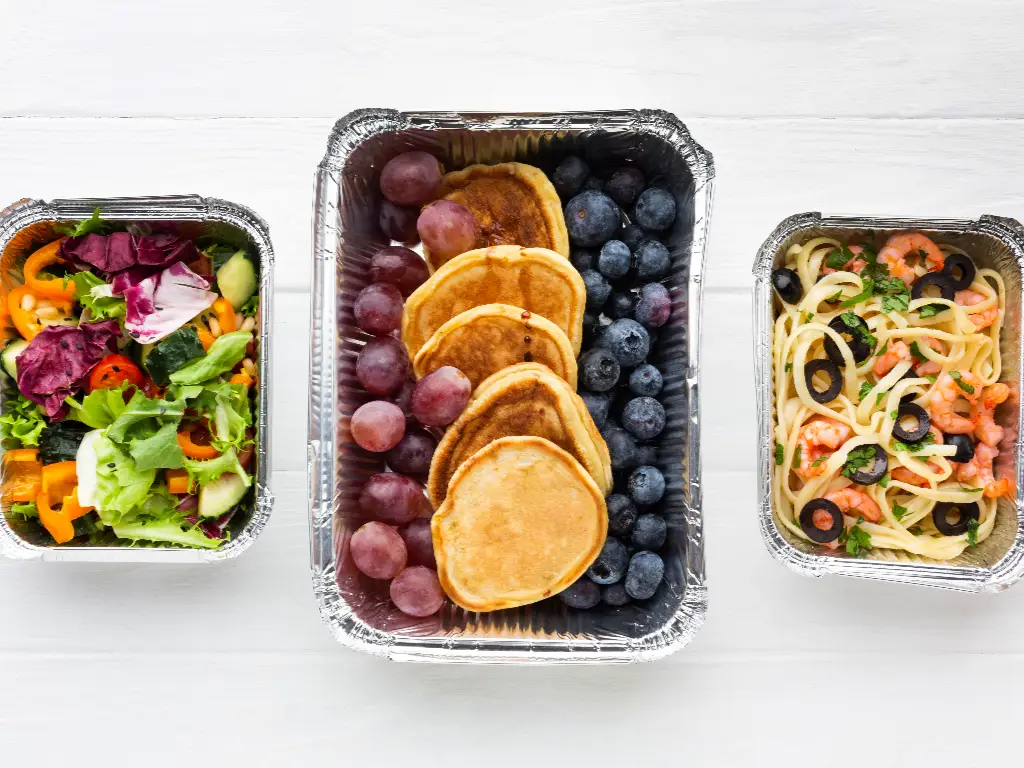
Between flexible and rigid, semi-rigid packaging offers the best of both worlds. It offers structural integrity without the weight of glass or thick metal.
- Aluminum Trays & Foil Containers: Used for ready to eat meals and bakery items. Can endure oven temperatures while maintaining barrier integrity and are exceptionally barrier protective.
- Thermoformed Plastic Trays (PP/PET): Common for fresh produce, meat, and deli items. They protect food items from being bruised and damaged. Clamshell packaging is a classic example often found in the bakery or berry sections.
- Paperboard Cartons: Folding cartons used for cereals or crackers (often acting as secondary packaging for the internal flexible pouch).
Flexible Solutions: The Versatile Modern Choice
Flexible packaging utilizes non-rigid materials such as plastic films, paper, and aluminum foil to create pouches, bags, and plastic wraps. This category has evolved from simple containment to highly engineered composite structures.
- Paper-Based: Used for flour, sugar, and dry goods where breathability is acceptable or preferred. Kraft paper is increasingly popular for brands wanting a natural look using organic materials.
- Polymer Films: These are the most common types of food packaging materials. They are not single-layer, but laminates. These are structured sandwiches made from various materials—such as polyethylene terephthalate (PET), Polypropylene (PP), Nylon, and occasionally polyvinyl chloride (PVC)—glued together for various functional purposes.
Market Analysis: Why Flexible Packaging Dominates the Share
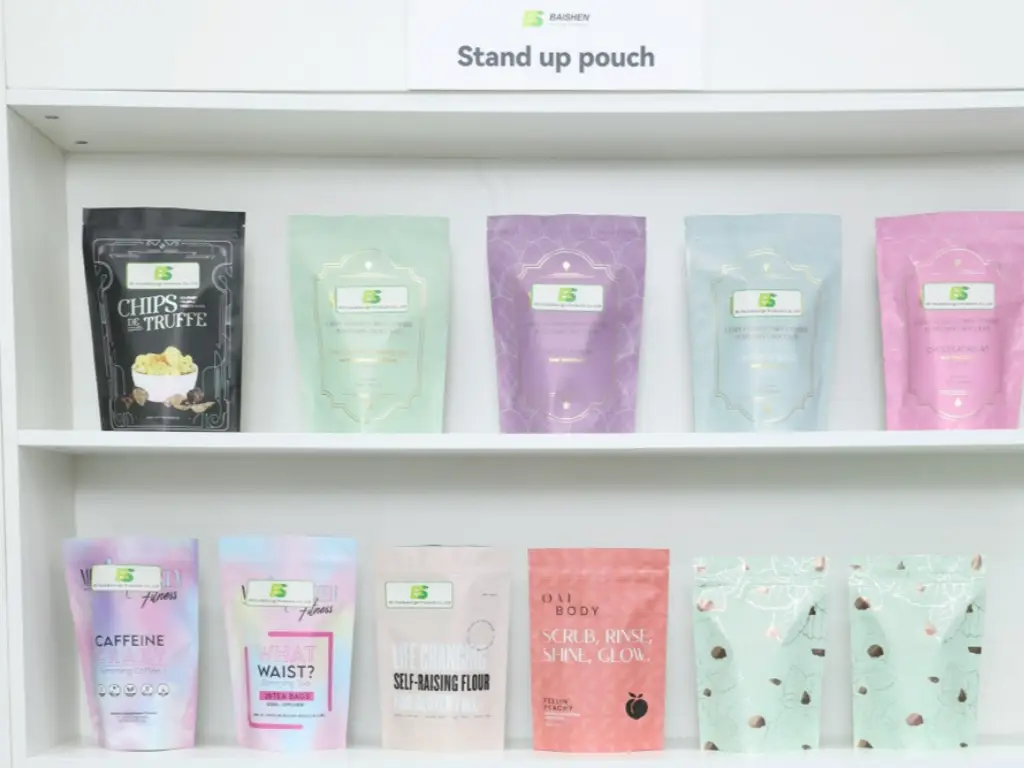
Moving from rigid to flexible (and maintaining) a design is often considered an experimental approach, but the shift from rigid to flexible design has significant financial, operational, and analytical best practices. Grand View Research indicates that plastic packaging in flexible forms is currently the highest market share in the food industry (excluding beverages) and continues to grow, surpassing rigid plastics.
This dominance is primarily driven by logistics efficiency and total cost of ownership. Rigid packages largely cause manufacturers to haul “air.” For instance, one truckload of empty flexible pouches is equal to 15 to 20 truckloads of empty rigid jars in volume. This significant difference results in lower inbound freight costs and requires less warehousing. In addition, flexible formats, from a sustainability viewpoint, offer a lower environmental impact and carbon footprint per unit compared to rigid alternatives. Considering that a pouch has 70% less plastic by weight than a comparable rigid container, pouches provide a lower impact on packaging waste and are preferred during food processing and transport in modern retail and e-commerce supply chains, especially considering that shipping weights are directly related to profits.
Deep Dive into Flexible Packaging Formats
The term “flexible packaging” is all-encompassing. For identifying the best types of food packaging, specific bag types must be evaluated to ensure they fit various food products.
Premade Pouches: Stand-Up, Flat Bottom, and Side Gusset
These bags are pre-manufactured, printed, and formed by the converter before arriving at your location. You just fill and seal them. They provide the best craftsmanship in print and shape definition.
- Stand-Up Pouches (Doypacks): The industry standard for snacks. They feature a bottom gusset that allows the bag to stand vertically on a shelf.
- Best For: Granola, dried fruit, jerky, confectionery.
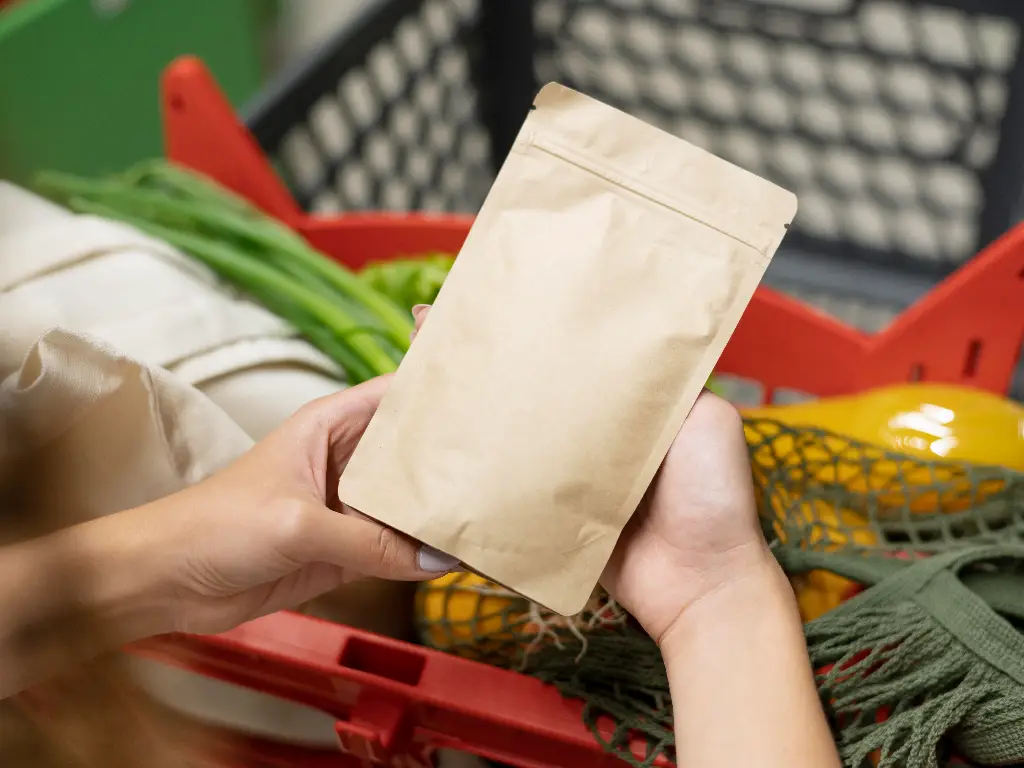
- Quad Seal / Side Gusset Bags: These have seals on the four corners, creating a rectangular shape that stacks well on pallets.
- Best For: Coffee bags, bulk grains.
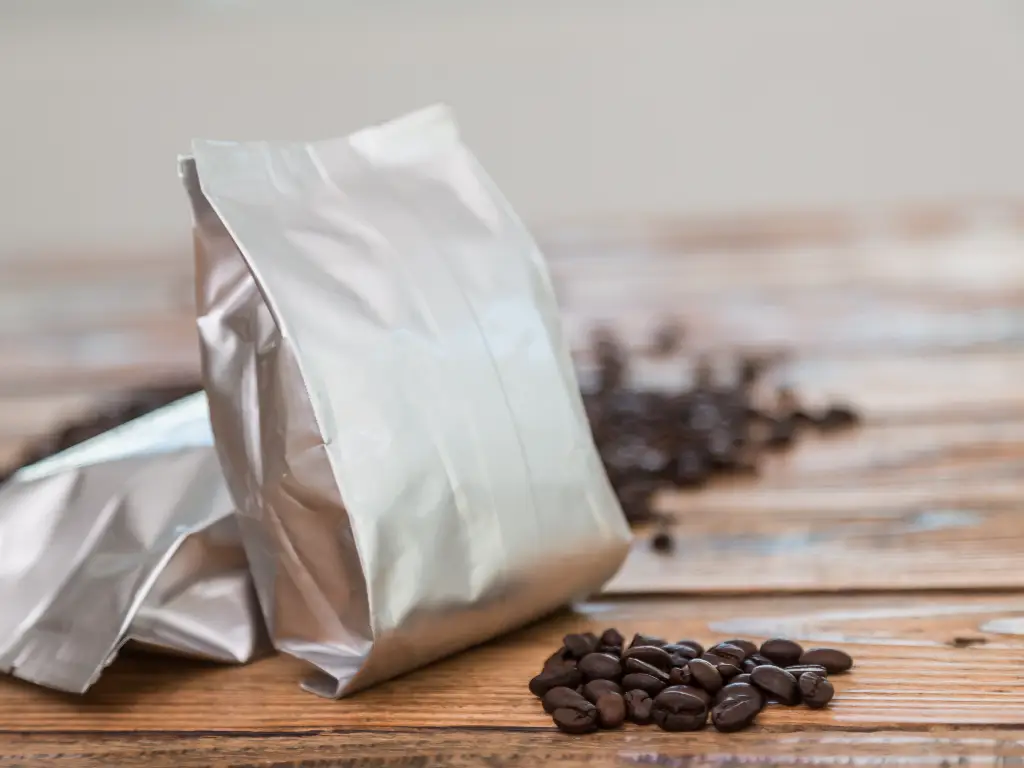
- Flat Bottom Bags (Box Pouches): A hybrid that combines the best of all worlds. It has a completely flat bottom like a box, but is made of versatile material.
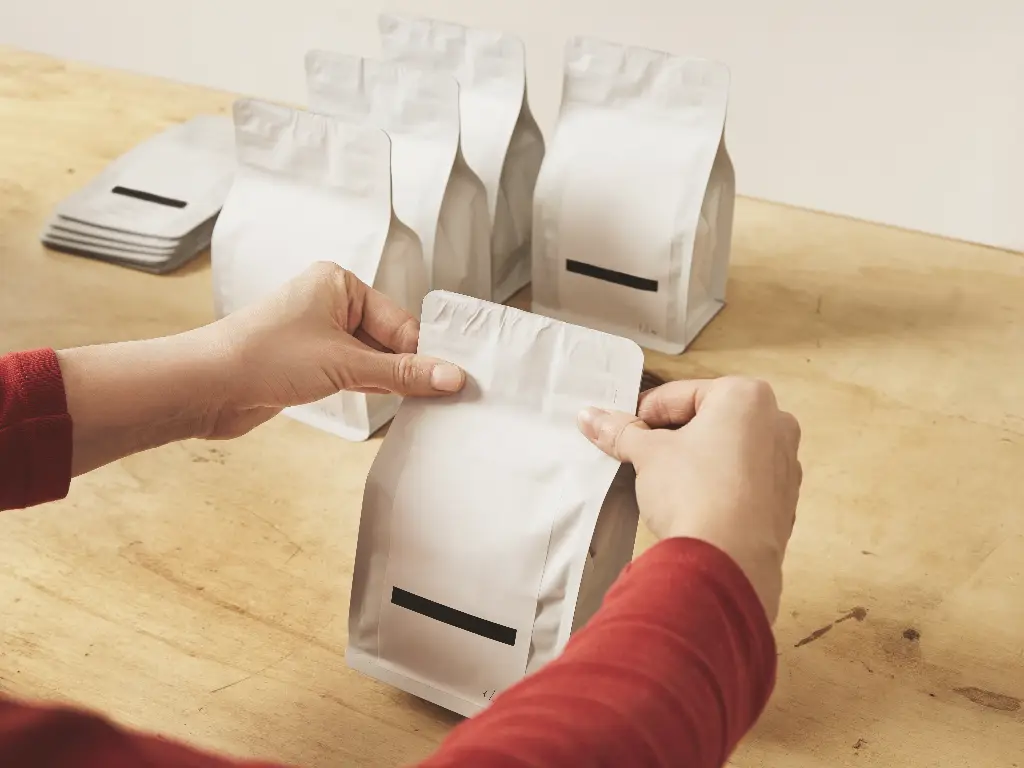
For Premium Pet Food or heavy bulk snacks (above 1kg), the Flat Bottom Bag is superior. Unlike a Doypack, which can tip over when large/heavy, the flat bottom provides a solid center of gravity. Furthermore, it offers five distinct printable surfaces (Front, Back, Bottom, and two Side Gussets). This maximizes your “billboarding” effect on the retail shelf, allowing for branding even when the package is stacked sideways.
Single-Serve Formats: Sachets, Stick Packs, and Pillow Pouches
The “on-the-go” economy drives demand for small, portable formats for various types of food. These are typically produced on high-speed machines.
- Stick Packs: Narrow, tubular pouches often used for powders. They use 10-40% less material than equivalent rectangular sachets.
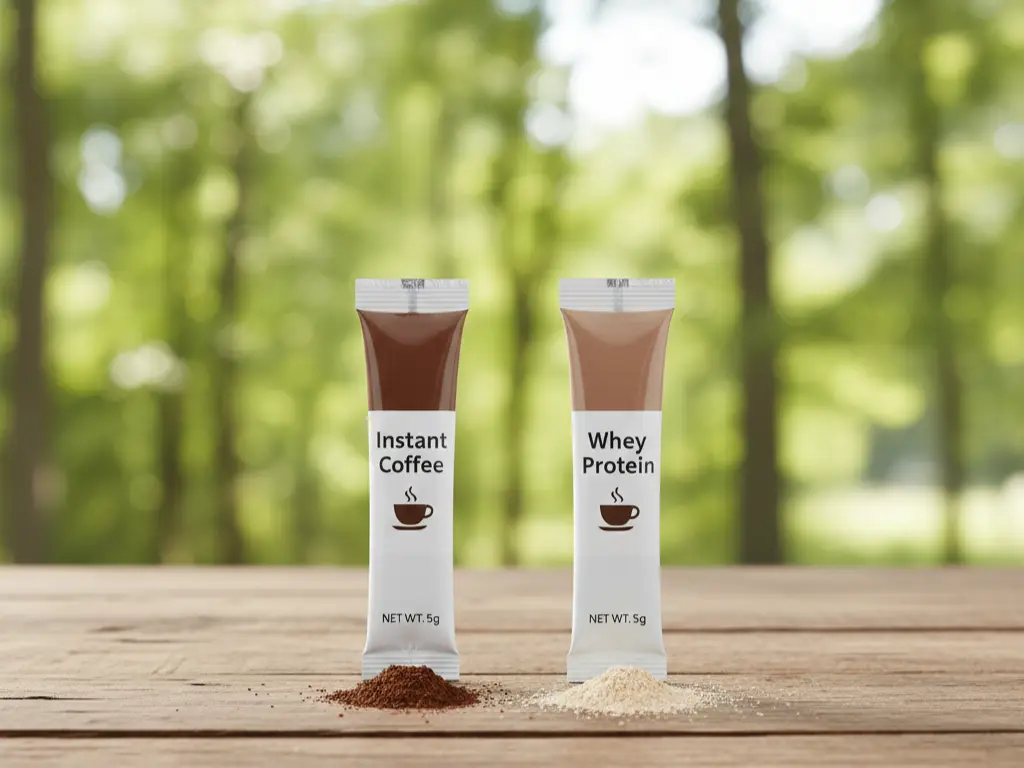
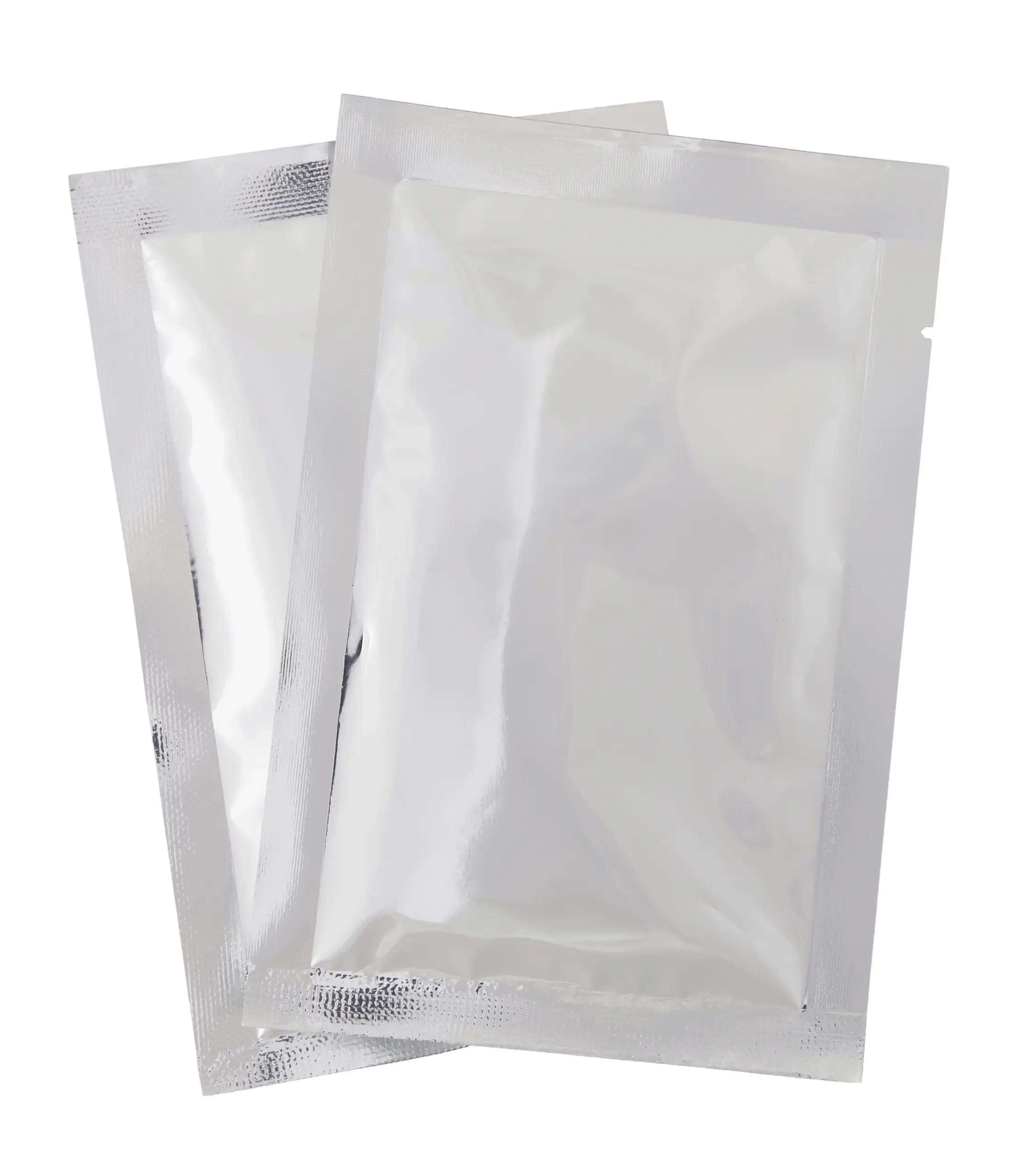
- 3-Side Seal Sachets: Flat pouches sealed on three sides. They offer a larger surface area for instructions or nutritional information compared to sticks.
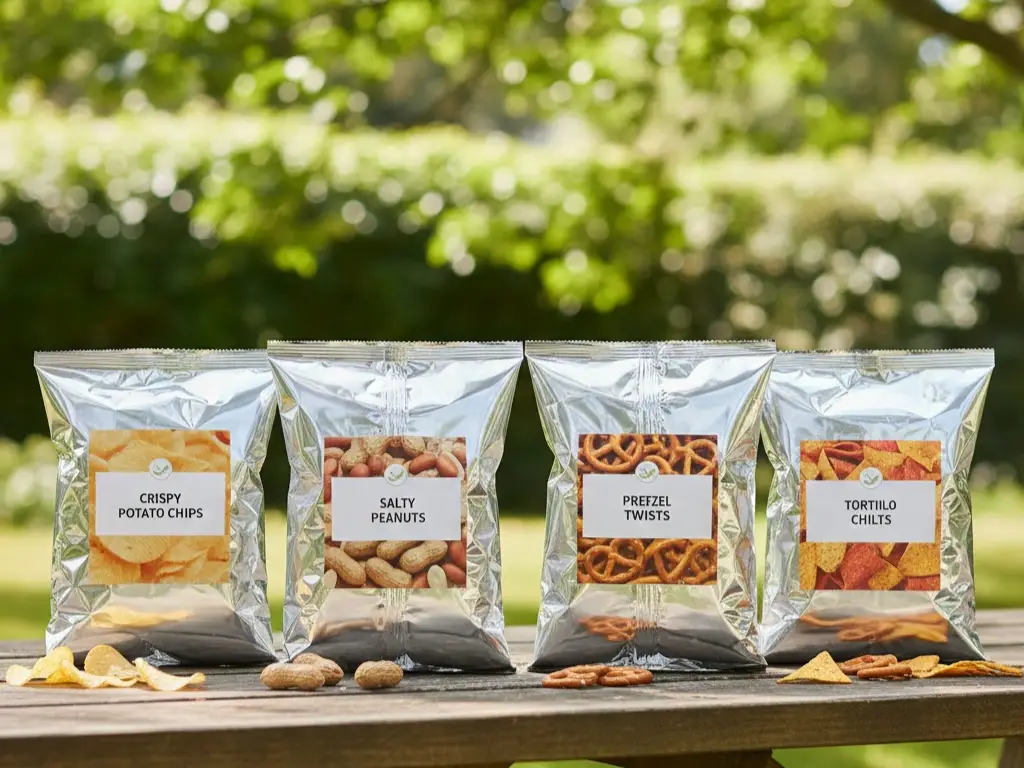
- Pillow Pouches (Fin Seal): The standard bag for potato chips. It has a back seal and top/bottom seals.
- Best For: Nutritional supplements (protein powder, collagen), spices, single-serve coffee mixes, product samples, and candy.
Difficulty in opening bags creates a negative perception of a brand. Some laminate structures, like PET/AL/PE are very strong and can’t be torn by hand.
In your packaging design, add instructions for Laser Scoring. This method adds a very shallow cut to the top layer of the film. The cut does not penetrate the inner layers of the film, so the original seal and barriers remain intact. The cut, however, provides a starting point for a tear to be made, and a straight tear will cut across the package.
High-Speed Solutions: Rollstock Films and Retort Pouches
For manufacturers that deal with high volume, using pre-made bags can be very costly and time inefficient. These manufacturers instead purchase Rollstock, which are large rolls of printed laminated films. The films are then run through Form-Fill-Seal (FFS) machines.
- VFFS (Vertical Form Fill Seal): The film forms a tube, is filled from the top, and sealed.
- Best For: Cereal, potato chips, frozen foods, loose hardware.
- HFFS (Horizontal Form Fill Seal): The film travels horizontally.
- Best For: Energy bars, chocolate bars, biscuits (Flow wrap).
- Retort Pouches: Specialized laminates designed to withstand the high heat (121°C+) of sterilization autoclaves. They are the flexible alternative to metal cans.
- Best For: Ready-to-eat (RTE) wet foods, wet pet food, sauces, soups.
When purchasing rollstock, the term “Machinability” should be considered as highly as the print quality. The film must have the appropriate Coefficient of Friction (COF) to slide through your machine without slipping or breaking.
You also need to determine the Hot Tack strength (the strength of the seal while still hot). If your packaging line runs 100+ units per minute, a wide sealing temperature window is essential to minimize the risk of leaks and downtime.
Your Manufacturing Partner: Turning Formats into Reality
Navigating these diverse formats requires a manufacturing partner with deep customization capabilities. At Baishen Pack, we specialize in a comprehensive range of flexible solutions—from organic-feel Kraft paper bags and versatile stand-up pouches to functional spouted pouches for liquids. Beyond the basic shape, we offer full customization of critical features, including tailored closure systems (zippers, spouts) and high-definition printing options to match your brand identity. With over a decade of experience, our integrated production process ensures that whether you need complex barrier laminates or specific ergonomic designs, we deliver quality solutions with efficient turnaround times.
Key Factors to Consider When Selecting Packaging
Selecting a type of packaging is a balancing act between protection, consumer usability, and unit cost. To inform your choices, you will need to define the technical parameters of your food product to avoid chemical reactions or spoilage.
- Barrier Requirements (The Science of Freshness)
Food degradation occurs primarily due to oxygen, moisture, or light. Critical for foods with high fat content (nuts, chips, pet food) to prevent oxidation (rancidity). You need a Low OTR (Oxygen Transmission Rate). Critical for dry foods (crackers, freeze-dried fruit) to prevent sogginess. You need a Low WVTR (Water Vapor Transmission Rate).
- Filling Equipment
Does your facility own VFFS machines? If it doesn’t, then purchasing Rollstock is pointless. You have to either spend money on machinery (Capital Expenditure) or acquire Premade Pouches (Operating Expenditure). For small-to-medium batches, Premade Pouches are perfect. For large quantities, Rollstock is best.
- Logistics Density
If you are selling mainly through E-commerce (Amazon), then rigid packaging will destroy your margins because of dimensional weight pricing. For this channel, flexible packaging is a practical means of reducing costs.
Use the following table to guide your initial selection:
| Product Characteristics | Main Threat | Recommended Barrier | Recommended Format |
| Crisps / Chips | Moisture & Crushing | Metalized (VMPET) | Pillow Pouch (Nitrogen Flush) |
| Coffee (Whole Bean) | Oxygen & Light | Foil (AL) + Valve | Quad Seal or Flat Bottom |
| Pet Food (Kibble) | Fats (Oxidation) | High Barrier PET/AL | Flat Bottom / Heavy Duty Zipper |
| Dried Fruit | Moisture | Clear High Barrier (Alox) | Stand-Up Pouch (Window) |
| Spices / Powders | Moisture & Aroma Loss | Foil (AL) | Stick Pack or Sachet |
| Biscuits | Physical Damage | Standard OPP/PE | Tray + Flow Wrap (Rollstock) |
Emerging Trends: Sustainability and Smart Technologies
The packaging industry is currently evolving, and the changes are twofold, primarily due to environmental regulations and the incorporation of digital technology. The most important of these changes is the transition to Mono-Material Structures. Flexible packaging has, for decades, relied upon multi-layer laminates, for instance, PET glued to PE, which are extremely difficult to recycle. The new industry standard is Mono-PE, which is “Recycle-Ready”. Advanced engineering enables polyethylene to meet the higher heat and barrier requirements while still being fully recyclable in the current waste streams. For manufacturers who export to Europe or North America, the adoption of these structures is becoming a compliance requirement rather than an option.
Simultaneously, food packages are evolving from a passive wrapper into a digital data carrier. Beyond standard barcodes, we are seeing the integration of serialized QR codes and digital watermarks. This technology allows brands to offer end-to-end traceability—letting consumers scan to see ingredient origins—while also acting as an anti-counterfeiting measure for high-value items like supplements and baby food. This convergence of sustainability and connectivity is redefining what buyers expect from a premium food package.
Conclusion: Choosing the Best Packaging for Your Brand
What are the types of food packaging? This question involves more than materials; this question involves aligning a tangible container with a strategy. The main goal of food packaging is to deliver the product safely while appealing to the consumer.
Though glass and metal remain strong contenders in select categories, flexible packaging is now the greatest container innovation for dry goods, snacks, and pet food. It is the only option that lessens the distance and carbon costs while simultaneously improving shelf appeal through high-quality printing and premium offerings (like Flat Bottom Bags).
Packaging should not be chosen based only on a picture in a catalog. It should be based on a calculated analysis of how sensitive your product is to moisture and oxygen versus your budget.
Are you over-packaging and spending too much on different types of food packaging layers? Or are you risking shelf life by under-packaging? Contact our engineering team today to discuss a custom flexible packaging solution, specifically tailored for the packaging of food products.