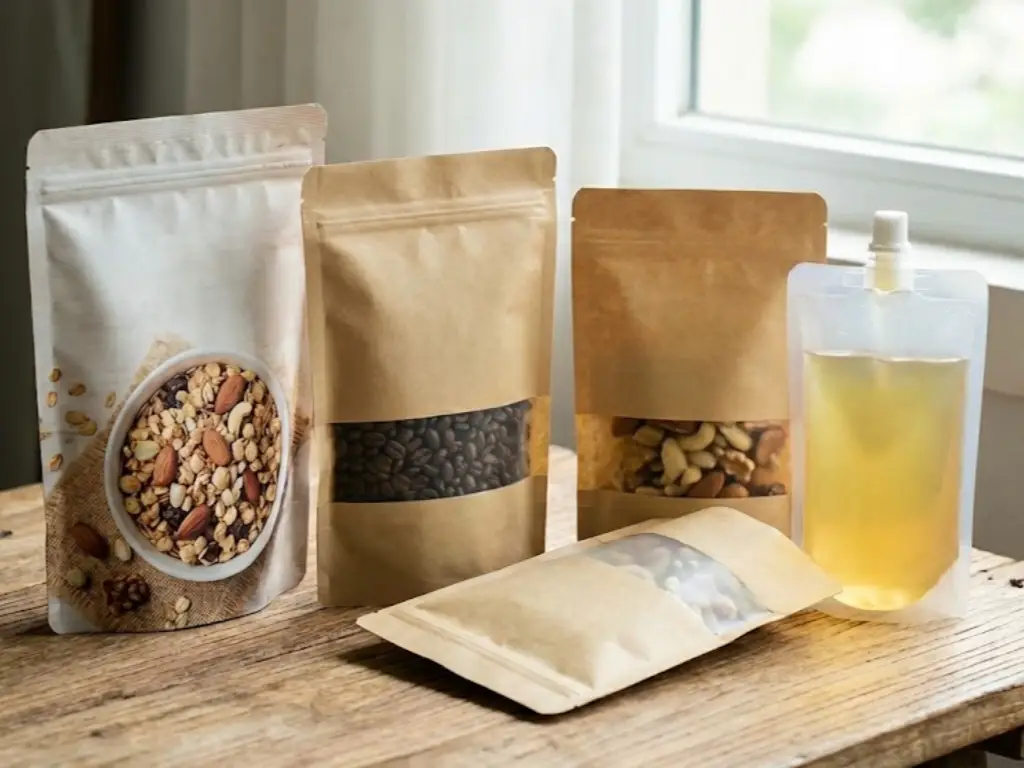
The future of flexible packaging in 2026 is characterized by complexity. Today, brand owners have to work in unstable supply chains, more stringent environmental laws, and the ongoing pressure to shorten time-to-market. To the procurement leaders and brand managers, a mere list of the leading manufacturers in terms of revenue is not a tool that can be used to make a decision. The supplier serving an international pharmaceutical conglomerate is hardly the correct choice for a fast-growing organic food products start-up. The success depends on the ability to find a partner with the operational capabilities that correspond to certain business phases and technical needs. This discussion compares the top flexible packaging converters based on a strategic fit, distinguishing between mass-scale industrial partners and agile, innovation-driven specialists.
Our Logic for Selecting the Right Partner
The conventional industry ranking is usually deceptive to the buyers as it focuses on the overall volume of production rather than the compatibility of operations. A converter with billions of revenue will require high Minimum Order Quantities (MOQs) and inflexible lead times, which can suffocate brands that need flexibility. On the other hand, a digital expert might not have the international network to distribute on a multi-regional basis.
This guide identifies two strategic categories of flexible packaging converters. Global Enterprise Partners are chosen because of their capability to handle large-scale, provide extensive vertical integration, and provide multinational corporations with resilience of their supply chains. Agile & Digital-First Converters are chosen due to their speed, low MOQs, and the possibility of using technology to enter the market quickly. This differentiation enables the decision-makers to avoid irrelevant alternatives and concentrate on partners that address their short-term operational issues and broader sustainability initiatives.
Global Enterprise Partners: Best for Scalable Supply Chains and Large Orders
Mondi Group

Founding Year: 1967
Headquarters: Addlestone, United Kingdom / Vienna, Austria
Main Markets: Europe, North America, Global
Key Products: Paper-based flexible packaging, EcoSolutions, Barrier coatings
Certifications: ISO 14001, FSC, PEFC
Mondi Group is an undisputed leader in brands that are switching from flexible alternatives of rigid packaging to sustainable and paper-based packaging solutions. Their strategic orientation is not only on production but also on the lifecycle of the packaging material. Mondi is a full-fledged paper and packaging producer, which deals with sustainable forestry to the ultimate transformation of films and paper laminates. This vertical integration gives them special control over the availability of raw materials and cost structures, which is very important in times of global scarcity of resources.
In the case of enterprise clients, the Mondi approach to sustainability is called EcoSolutions, which provides a consultative route to sustainability. They do not just sell off-the-shelf stock but design customer-specific barrier solutions that ensure food safety, and as much as possible is recycled. Their Paper-based functional barrier papers are especially applicable to dry food and confectionery brands that want to eliminate aluminum or plastic layers without affecting the shelf life. Mondi is the best fit of large-scale FMCG companies that need auditable Life Cycle Assessment (LCA) data to achieve corporate ESG objectives. Their ability to scale production to huge levels means that sustainability efforts can be implemented worldwide without supply shortages, which makes them a pillar of any green transition strategy of a large organization.
Bischof + Klein
Founding Year: 1892
Headquarters: Lengerich, Germany
Main Markets: Europe, Global Industrial Sectors
Key Products: Heavy-duty sacks, Industrial films, Clean room packaging
Certifications: ISO 9001, ISO 50001, BRCGS
Bischof + Klein is the standard of durability and industrial protection. This German manufacturer, in contrast to converters that are aimed at consumer shelf appeal, is specialized in the demanding requirements of the industrial, agricultural, and chemical industries. They are specialists in designing packaging that can withstand high levels of stress, dangerous materials, and harsh logistical conditions. They are a favorite collaborator to businesses that transport large volumes of powders, resins, or construction materials using robust liners, where package failure may lead to a considerable loss of money or environmental risks.
They have technical superiority in terms of downgauging. Bischof + Klein has invented multi-layer film extrusion technologies that enable much thinner polyethylene films that are as strong or stronger than the thicker traditional films. This decrease in material consumption is directly translated into decreased transport expenses and decreased carbon taxes on behalf of their clients. Moreover, they have stringent production conditions for sensitive packaging applications. Their clean room manufacturing plants are of high purity and hence can be used in the production of high-tech industrial parts and bulk pharmaceutical ingredients. Bischof + Klein can provide a degree of technical reliability and load stability that cannot be matched by consumer-oriented converters by buyers in the B2B industrial space.
Uflex
Founding Year: 1985
Headquarters: Noida, India
Main Markets: Asia, Middle East, USA, Global
Key Products: BOPP Films, Chemicals, Printing Cylinders, Holography
Certifications: ISO 9001, ISO 14001, FSSC 22000
Uflex is the largest multinational company in India that deals with flexible packaging materials and solutions with extreme vertical integration. Uflex is a safe haven for international consumers in a geopolitical environment where trade wars and supply chain disruptions are the order of the day. They produce almost all the parts of the packaging process, such as the foundation polypropylene and BOPET films, printing inks, adhesives, holographic materials, and even the packaging equipment itself. This independence protects their customers against external shortages of raw materials like substrates and price fluctuations that tend to afflict less integrated converters.
Uflex offers competitive pricing to global brands. Their large production capacity in their locations in India, UAE, Mexico, Egypt, Poland, and the USA enables them to direct production according to regional demand and tariff benefits. They are especially good in high volume, price-sensitive products like snacks, confectionery, and pharmaceuticals. They are also a formidable competitor to the traditional carton suppliers because of their investment in Aseptic Liquid Packaging. The companies that collaborate with Uflex enjoy the benefits of a strong supply chain that integrates the cost-efficiency of Asian production with the logistical capabilities of a global conglomerate, which guarantees a steady supply even in the case of market turmoil.
Huhtamaki
Founding Year: 1920
Headquarters: Espoo, Finland
Main Markets: Global, Strong emerging market presence
Key Products: Retort pouches, Tube laminates, Spout pouches
Certifications: BRCGS, ISO 9001, ISO 22000
Huhtamaki is a worldwide safety net of the food and beverage sector, especially of the brands that have cross-border supply chains that are intricate. Huhtamaki has a tradition of the Nordics and a huge presence in the emerging markets such as India and Southeast Asia, and it is very good at preserving perishable products in various climatic conditions to prevent spoilage. Their technical R&D is very much concerned with the performance of barriers- making sure that the food products are safe and fresh, whether they are sold in a European supermarket or an open-air market in Asia. This consistency has seen them become a leading brand of baby food, pet food, and dairy products worldwide.
One of their distinguishing features is their platform called Blueloop, which is dedicated to the design of packaging in a circular manner. Huhtamaki also works closely with waste management infrastructure to make sure that their mono-material solutions are not only recycled in theory, but in practice as well. They manufacture pliable packaging that can withstand harsh retort (sterilization) conditions and provide a lightweight substitute to metal cans. In the case of multinational companies, Huhtamaki offers a uniform quality assurance procedure in all their international factories. This implies that a brand will be assured of the same material specification and safety standard regardless of whether the package is converted in Vietnam, Germany, or the United States, making quality control across the globe much easier.
Constantia Flexibles
Founding Year: 1912
Headquarters: Vienna, Austria
Main Markets: Europe, North America, Global Pharma
Key Products: Blister lidding, Coldform foils, Sachet films
Certifications: ISO 15378 (Pharma), ISO 9001, BRCGS
Constantia Flexibles is the ultimate expert in the pharmaceutical and personal care sectors. Although they manufacture consumer packaging, their main strength is the ability to comply with the high standards of the medical environment. They are the third-largest manufacturer of flexible packaging in the world, but a leading manufacturer of pharma-grade flexible packaging films. Their manufacturing plants are frequently maintained in clean-room environments (Class 7/8), which means that packaging materials are not contaminated with particles and biological agents, which is an uncompromising condition of drug safety.
Their product line serves complex protection requirements, including Child Resistant / Senior Friendly opening systems and high-barrier coldform foils that shield sensitive chemical compounds against moisture, oxygen, and light. Constantia also spends a lot of money on anti-counterfeiting technology, which involves the direct integration of security measures into the aluminum foil or print design to ensure brand integrity and patient safety. Constantia is not only a supplier but also a compliance partner to pharmaceutical companies. They offer comprehensive documentation and regulatory support (DMFs) that are needed to obtain FDA and EMA approvals. Constantia Flexibles is the leader in case a product needs absolute barrier integrity to ensure medical efficacy.
Agile & Digital-First Converters: Best for Low MOQs, Speed, and Innovation
Baishen Pack

Founding Year: 2012
Headquarters: Guangdong, China
Main Markets: Global (North America, Europe, Australia)
Key Products: Spouts, Stand-up pouches, Custom rollstock, Sustainable films
Certifications: ISO 9001, SGS, BRC (material compliance)
Baishen Pack represents a strategic bridge between the cost-efficiency of Asian manufacturing and the speed of modern digital technology. Baishen utilizes a hybrid production model that serves a wide spectrum of client needs, from startups to established mid-sized brands. Unlike traditional Chinese factories that demand massive volume, Baishen has integrated HP Indigo digital presses alongside high-speed rotogravure presses. This allows them to offer very low Minimum Order Quantities (MOQs) for market testing while retaining the capacity to scale up to millions of units without changing suppliers.
Baishen’s value proposition centers on “end-to-end customization.” The company employs a service-oriented team comprising packaging engineers and designers who guide clients through the technical complexities of flexible packaging, covering everything from prepress to final logistics. They offer extensive customization options, including specific barrier properties for food preservation, diverse tactile finishes (matte, gloss, metallic), and functional add-ons like child-resistant zippers, fitments, or ergonomic spouts. Their agility is supported by a streamlined workflow that typically provides digital proofs within 24 hours and completes digital production runs in 7-10 days.
Furthermore, Baishen addresses the growing demand for sustainability without the prohibitive costs often associated with Western converters. They offer certified recyclable, bio-based, and compostable material structures suitable for food, pet nutrition, and cosmetics. By combining these advanced materials with responsive, one-on-one sales support and efficient logistics, Baishen removes the friction typically associated with overseas sourcing. They provide the technical expertise of a large converter with the versatility of a local partner, creating a unique position in the market.
ePac Flexible Packaging
Founding Year: 2016
Headquarters: Austin, Texas, USA (Global Locations)
Main Markets: North America, Europe, Asia-Pacific
Key Products: Digitally printed pouches, Rollstock
Certifications: SQF, BRCGS (varies by plant)
ePac Flexible Packaging has upset the industry by creating a business model that is based on digital printing. They do not require plates and this saves setup costs, and lead times are drastically reduced as compared to traditional printing. Having a network of production plants located all over the world, ePac targets small to medium-sized businesses (SMBs) that have been overlooked by large converters. Their model enables local brands to have the shelf presence of big brands with high-definition graphics and high-quality finishes.
Their distributed manufacturing network is the main strength of ePac. A client will be able to request packaging that is printed and converted in a facility that is relatively near their fulfillment center, which saves time and carbon emissions during shipping. They are especially useful with brands that have a large number of SKUs, like coffee roasters or supplement companies with many different flavors. ePac enables such brands to print only what they want, when they want it, and adopts a philosophy of print-on-demand that reduces inventory obsolescence. Their unit cost can be more expensive than rotogravure at scale, but the removal of plate costs and inventory waste makes them economical in short runs and quick scaling.
The Packaging Lab
Founding Year: 2019
Headquarters: Minneapolis, Minnesota, USA
Main Markets: North America
Key Products: Stand-up pouches, Lay-flat pouches
Certifications: Food Safety Compliance
The Packaging Lab is designed to do one thing: go very fast. They are a niche digital converter that is targeted at brands that require packaging on the spot. Although the industry standard for fast may be two weeks, The Packaging Lab can deliver turnaround times as quick as 24 hours on particular orders. This is essential in case of an emergency, last-minute trade show samples, or taking advantage of a viral social media trend. They have a friendly online interface that makes the file upload and ordering process easier and eliminates the friction of the traditional account management.
They are micro-run optimized in their production line. Minimums are virtually nonexistent, and a brand can order one pouch when needed. This renders them the final choice when it comes to prototyping and A/B testing various designs during product development before deciding to go with a bigger production run. Although their pricing model is based on this high speed and convenience, their value is opportunity cost- they allow brands to enter the market weeks ahead of their competitors. They are not a long-term volume partner, but a tactical asset to particular marketing and R&D phases.
Gualapack

Founding Year: 1986
Headquarters: Castellazzo Bormida, Italy
Main Markets: Europe, Global
Key Products: Cheerpack™ (Spouted Pouches), Baby Food Pouches, Recyclable Caps
Certifications: BRCGS, ISO 9001, ISO 14001
Gualapack is the undisputed global leader when it comes to the “Cheerpack” or spouted pouch format. While many converters produce pouches, Gualapack vertically integrates the manufacturing of the pouch, the spout, and the cap, ensuring a leak-proof synergy that is rare in the industry. They are the go-to partner for baby food, fruit purees, and dairy snacks where safety and anti-choke cap designs are paramount. Their “Pouch5” innovation is a game-changer: a fully recyclable mono-material polypropylene (PP) pouch that retains the high-barrier properties needed for shelf-stable foods. For brands looking for that premium “European” structure and safety profile, Gualapack is the benchmark.
Toppan

Founding Year: 1900
Headquarters: Tokyo, Japan
Main Markets: Japan, Global
Key Products: GL BARRIER films, Transparent barrier packaging
Certifications: ISO 14001, ISO 9001
Toppan is the ultimate in material science and high-end barrier technology. Being a Japanese giant, they introduce a certain degree of technical precision that is uncommon in the industry. Their most popular innovation is GL BARRIER, a transparent vapor-deposited barrier film that has an equivalent level of protection as aluminum foil. The technology enables brands to produce packaging that is microwaveable, metal-detector compatible, and transparent, enabling consumers to see the product but preventing oxygen and moisture from entering and spoiling the product.
Toppan is the best match with brands that have sensitive contents that need a long shelf life without opaque foil layers. They also have a digital printing division that has outstanding color management, which can reproduce complex Japanese-style graphics with perfect consistency. In addition to the conventional packaging, Toppan incorporates smart features and practical designs, including easy-peel mechanisms that are user-friendly to an aging population. In the case of high-end food, electronics or medical brands, where content visibility and high-level protection are paramount, Toppan offers a technological advantage that cannot be matched by commoditized converters.
Finding Your Perfect Match: How to Evaluate a Packaging Converter
The choice of a packaging partner is a risk management activity. In order to have a successful partnership, the decision-makers have to consider the possible suppliers in two important dimensions, namely, their particular business requirements and verifiable characteristics of the converter.
First, identify the main limitation of your project. Is it the budget, in which unit cost is the determining factor? Is it Speed where one cannot afford to miss a launch date? Or is it Compliance, in which case failure to be certified may result in a recall? The first step is to understand whether you require a supplier of commodities or a technical partner. Brands that have complicated barrier needs (e.g., retinol creams or roasted coffee) should focus on technical ability rather than the lowest bid.
Second, look beyond the sales pitch at “Hard Metrics.”
- Certifications: Do they hold GFSI-recognized standards like BRCGS or SQF? This is non-negotiable for major retail entry.
- R&D Investment: Do they have their own engineers who can assist in downgauging or changing materials?
- Sustainability Data: Are they able to give an LCA report of the carbon impact of their materials?
- Attitude Toward Small Orders: Test their responsiveness to pilot run. A huge converter that considers a 5,000-unit test order a nuisance will probably fail you when you require agility in the future.
Conclusion
The most appropriate flexible packaging converter is not the one that will bring in the highest revenue, but the one that meets your volume, speed, and technical needs. Although the global players such as Mondi and Uflex provide unquestionable strength to the established business, they are not always agile enough to meet the demands of the modern, dynamic market.
Baishen Pack stands as a unique bridge in this ecosystem. We combine the rigorous Quality Standards and material expertise of a global manufacturer with the Agility and service mindset of a digital specialist. By leveraging cost-effective manufacturing hubs and advanced digital printing, we empower brands to launch premium, customized packaging without the burden of massive inventories or prohibitive setup costs.
Don’t settle for a one-size-fits-all solution. Whether you are scaling up or starting small, contact Baishen Pack today for a free material consultation and a custom quote. Let us help you build a supply chain that is as flexible as your packaging.