
Introduction
Material selection is not a preference issue in the areas of archival science and long-term food preservation, but a scientific issue. Out of the many choices that exist in the field of flexible packaging, Mylar bags have become the industry standard and can be appreciated due to their superior barrier properties and durability. However, to the critical mind preoccupied with health and food safety, a crucial question remains in mind: Are these materials essentially safe when it comes to intimate and long-term food contact?
This guide is a conclusive response to this question. We shall break down the material science of these special-purpose packaging bags, the common myths of using them, and set out clear, actionable guidelines on how they can be effectively and safely implemented. This is aimed at getting out of speculation and arm you with the factual knowledge to invest your own food with confidence.
Are Mylar Bags Toxic? The Short Answer
To take the major issue head-on: No, no, food-grade Mylar bags are not toxic. They are made of substances that have been stringently certified by food and drug regulators such as the U.S. Food and Drug Administration (FDA) to be in direct contact with food products.
The safety issue that is often raised is not usually caused by the nature of high-quality Mylar foil films. Rather, the only two major potential risks are the distribution of products of poor quality, counterfeit or non-food quality, and misuse by the final consumer. The first step towards effective long-term storage of food is to understand the difference between the substance and the process of long-term food storage.
What Are Mylar Bags Made Of?
This safety measure is not a matter of opinion, but of the materials and advanced multi-layered system of the construction of the bag itself. To comprehend the reasons behind the safety of a high-quality Mylar bag, as well as the special features that make it stand out from the crowd of basic plastic bags, one should first learn what it is composed of. Mylar is a brand name given to a certain kind of polyester film that is technically referred to as biaxially-oriented polyethylene terephthalate (BoPET). BoPET, in its crude state as a polyester sheet, has outstanding tensile properties, chemical inertness, and transparency.
A bag for long-term food storage is more complicated than a simple BoPET pouch. It is a multi-layer laminated bag designed for specific purposes:
- 1. The Outer Layer: This is the BoPET film, providing high tensile strength and puncture resistance.
- 2. The Core Layer: A very thin layer of aluminum foil is bonded to the BoPET. This layer of metal is pivotal to the exceptional barrier functionality of the bag. It prevents the bag from receiving oxygen, light, and moisture, which are the three elements that cause food deterioration.
- 3. The Inner Layer: Safety’s most important layer is also the innermost layer, which is made of a food-safe polymer, usually one of the forms of polyethylene. This inert lining is the only material that is in direct contact with the food, and for which there is also a heat-sealable closure. It is sealed to provide an airtight barrier, which also provides a safe, non-reactive surface.
This composite design guarantees that food safety is preserved from any potential interaction with the aluminum layer and the outer layer.
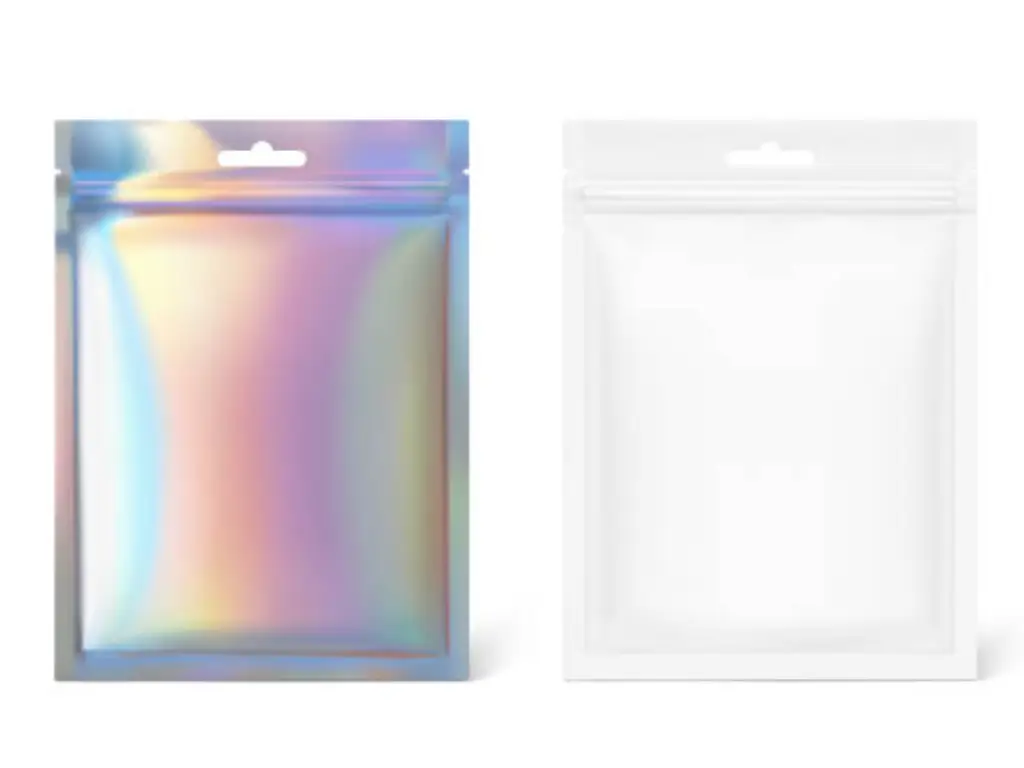
Myth vs. Fact: Mylar Bag Safety Concerns
Most folks have their bags with protective and multiple-layered features. Mylar bags are complex because they have a layer of metal. Now that we have an understanding of the bags, we can take these arguments and feel free to shoot them down and explain them scientifically and factually to make the critics understand.
Myth 1: Mylar leaches harmful chemicals into food.
Mylar bags are safe and are food-certified. The Mylar bags are made of polyethylene terephthalate and an inner polyethylene lining, which are non-reactive and stable, meaning they do not break down and leach harmful chemicals as well and do not react in the cool, dark, and dry storage setting. Mylar bags are made to protect food, which means they are safe, stable, and do not react with the food they are safe with.
Myth 2: Mylar bags release aluminum into food.
Mylar bags have a foil layer of aluminum that never directly touches the food. This layer of foil is sandwiched between the outer polyester film and the food-grade inner lining, which seals the foil layer of aluminum. This inner layer of food-grade lining makes it safe and impossible for aluminum foil particles to be transferred into the food. Aluminum is purely structural in function and does not interact with the food.
Myth 3: Mylar bags are unsafe with boiling water.
This myth arises from a misunderstanding of their intended use. While many freeze-dried meals packaged in Mylar can be rehydrated by adding boiling water directly to the pouch, the bags themselves should not be boiled. The melting point of BoPET is high (over 250°C or 480°F), but the inner sealant layer may deform at lower temperatures. Adding boiling water is generally safe as the food absorbs much of the heat, but subjecting the bag to a continuous boil in a pot is not recommended and can compromise the integrity of the seams.

Myth 4: Creases or pinholes make them dangerous.
Creases and pinholes are bad, but they do not, and may never make the bag toxic. These are tiny breaks, and there is no need to be concerned with the chemical safety of the bag. If a pinhole forms, the aluminum layer will allow a tiny amount of air and moisture to slowly enter, and it may shorten the maximum shelf life of the packaged contents. It also, however, does not make the material of the bag hazardous. The risk is spoilage, never toxicity.
When Mylar Bags May Become Unsafe
Having established that a properly constructed Mylar bag is not inherently toxic or dangerous, the conversation about safety must shift from the material itself to its application and quality. The established safety of Mylar bags is predicated on these external factors, and risk is introduced only when they are compromised. Here are the circumstances under which their use can introduce risk.
● Poor-quality or counterfeit bags:
There are a lot of products of different quality on the market. Bags not specifically designated as food safe can be constructed out of recycled material or industrial-grade plastics not safe for food contact. The most important quality of mylar bags is quality; a cheap substitute from an unknown manufacturer is a serious liability.
● Overuse, creasing, or damage to the foil layer:
Although small creases are not harmful toxicologically, extreme and repeated folding may harm the inside lining and the foil layer. Such physical destruction can leave openings through which Oxygen and moisture can find their way and be spoiled by mold or bacteria.
● Storing inappropriate foods:
This is the greatest risk posed by the users. Mylar bags are used for dry foods, which have a moisture content of less than 10%. Keeping wet food products or food with a lot of oil (such as brown rice or nuts) is a dire mistake. Oxygen absorbers form a low-oxygen environment that anaerobic bacteria, such as Clostridium botulinum, need to grow effectively, provided that there is adequate moisture.
● Misuse of non-food-grade bags:
Using Mylar bags intended for industrial or static shielding applications for food storage is dangerous. The standards of manufacturing such products are not the same, and the chemicals present in such products may be hazardous to consume.

The Quality Checklist: How to Spot a Truly Safe Bag
Since the most considerable risk lies with poor manufacturing or counterfeit goods, making an educated purchase is the most vital first line of defense. The market needs a discerning eye. This checklist helps select quality Mylar bags and will keep you safe and effective for the Mylar bags you select to start food storage.
- ● Verify Food-Grade Status: Suppliers should indicate that bags are “food grade,” “food safe,” or “BPA-Free.” Trustworthy suppliers will make this information available.
- ● Assess the Mil Thickness: The Mylar bag thickness is measured in mils. The greater the mil value, the thicker the bag. For long-term storage, thicknesses of 4.5 mils to 7.0 mils are recommended, as they provide puncture resistance and durability.
- ● Conduct an Opacity Test: Quality Mylar bags are opaque to light. To test this, place a bright flashlight inside the bag and check in a dark room. If light escapes, the aluminum layer is of poor quality and too thin.
- ● Evaluate the Supplier: Buy from reputable suppliers who focus on food preservation or emergency preparedness. Such dealers tend to be more dependable, particularly for custom mylar bags for business needs.
Baishen Pack: Safe Mylar Bags with Proven Value
Food safety is at the heart of long-term storage, and as this guide shows, only certified, food-grade Mylar bags can guarantee protection against oxygen, moisture, and light. This is where Baishen Pack makes a difference. With over 10 years of industry expertise, we manufacture BPA-free, FDA-compliant, SGS/ISO-certified Mylar bags that are trusted worldwide. Our advanced barrier technology ensures your dry foods stay safe and fresh for decades.
But safety is only part of the value. By partnering with Baishen, you also benefit from factory-direct pricing, fast turnaround, and fully customizable features—from resealable zippers and easy-tear openings to premium printing that strengthens shelf appeal. We combine strict quality control with flexible production capacity to reduce your risks, cut costs, and accelerate your time to market.
Choose Baishen Pack today—where proven safety meets real business growth. Contact us to customize your next packaging solution.
Best Practices for Sealing and Storing for Maximum Safety
Choosing a good quality bag is only the first step. Your attention to detail in packing the bag is what will determine the safety and quality of the food you are trying to store. The following recommendations will help you protect the safety and quality of your food.
- ● Prepare Your Food: Ensure that dry goods such as wheat, beans, and pasta are as dry as possible. If you are dealing with whole coffee beans, they are delicate, so it is best to store them to maintain their freshness.
- ● Use Oxygen Absorbers: An oxygen absorber is essential and should not be optional. These little packets eliminate the remaining oxygen present in the sealed bag. This greatly prolongs food storage duration and prohibits the growth of aerobic organisms in food. Ensure the bag volume and oxygen absorber size are compatible.
- ● Achieve a Perfect Seal: The impulse sealer will yield the most consistent and reliable seal. However, a household iron or a hair straightening iron can also be used effectively. For some applications, a vacuum sealer can be used prior to heat sealing to remove the bulk of the air, although one must be careful not to create a seal in a vacuum chamber that is too aggressive for the oxygen absorber to function.
- ● Label and Store Properly: Each bag should have a label that states its contents and the date it was sealed. The sealed bags should be stored in a cool, dark, and dry place within rigid plastic buckets or totes. The buckets provide an added layer of protection from pests and moisture, as well as physical damage.
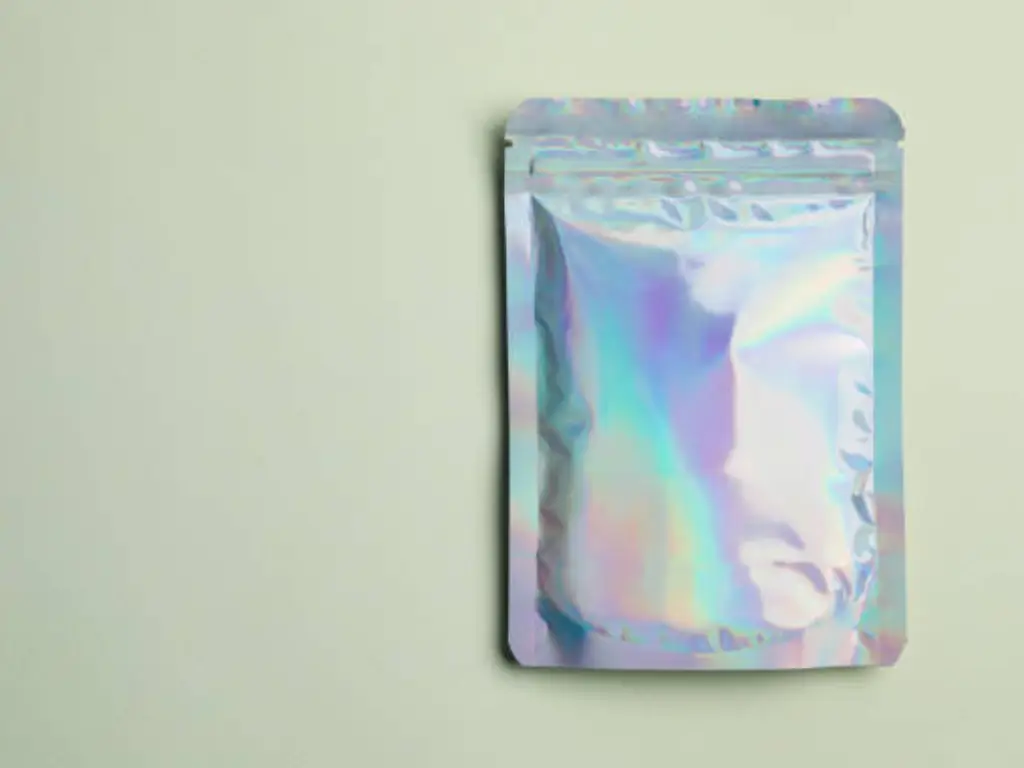
FAQs About Mylar Bag Safety
While best practices answer the most fundamental principles concerning Mylar bag safety, users still have some questions. Below are some of the most common questions about Mylar bags.
● Do Mylar bags contain BPA?
Yes, food-grade, sealed Mylar bags are BPA-free. BPA usually stems from polycarbonate plastic and epoxy resins. Quality Mylar does not contain such materials. Always double-check with the manufacturer to be sure.
● Can Mylar bags go in the freezer?
Absolutely. Mylar bags are perfect for freezer storage. Their high barrier properties protect food from freezer burn, and the material remains strong and flexible at low temperatures.
● Are Mylar bags biodegradable?
No, they are not. The materials are designed for extreme durability and stability over a long period of time, which is contrary to the properties of biodegradable materials.
● How long can food last safely in Mylar bags?
When used correctly with oxygen absorbers for low-moisture dry foods, the shelf life can be 25 years or more. The longevity is dependent on the type of food, the quality of the seal, and the storage conditions.
● What should not be stored in Mylar bags?
You should not store anything with a moisture content over 10%. Also, avoid high-fat foods like nuts, granola, and whole wheat flour for very long-term storage, as they can go rancid due to oxidation of oils.
● Are Mylar bags FDA-approved?
More precisely, FDA-approved appliqué materials for food contact. The FDA does not usually approve the finished Mylar bags; it approves the raw materials used to make the bags.
● Can I microwave food in Mylar bags?
No, you should never put Mylar bags in a microwave. The aluminum layer in the Mylar bags is metallic and will cause arcing, which can damage the microwave and cause a fire.
Conclusion
After examining the Mylar bag in all its facets, from material science to actionable best practices, we reach a clear conclusion. Mylar bags are a safe and technologically advanced method for preserving food long-term. The esteem in which they are held as a key component of food storage for preparedness is justified. The risks are not inherent in the material itself, but rather stem from gaps in quality control during production and a lack of understanding of how to use it effectively.
Choosing high-quality, food-grade products from trusted sellers and following best practices for their use eliminates all possible risks. Safe and responsible users can, therefore, ensure that they are using one of the greatest and safest methods for protecting their food supply for the future.